Google Playground, Unity Spark, and Grok 4.7: The AI Launches Everyone Is Searching This Week

TimeSpace Studio Editorial
Tech & AI Analysts
On October 7, 2026, describing a game became enough to get a playable one back. Google opened Playground. Unity announced Spark the same morning. Three weeks earlier, Grok 4.7 shipped, and on October 9 Grok Bot grew its own email address.
Those four names are what people are opening tabs for this week. Playground by Google Labs sat at number two on Product Hunt on October 10. TechRadar, Dexerto, VGC, Eurogamer, and GamesIndustry all wrote it up inside 72 hours. This guide is the practical version: what each product actually does, who can use it today, what is still a waitlist, and what you can play in the browser while the betas catch up.
If you want the earlier model comparison, our July and August coding-model roundup is still the companion piece. This one is about the launches that turned AI into something you can click, play, and share.
The short version
| Launch | Status on Oct 10, 2026 | Best for | Catch |
|---|---|---|---|
| Google Playground | Live in the US, 18+ | Prompt to a playable browser game | Free creation is waitlisted. Google One AI subscribers can build now. |
| Unity Spark | Closed beta later this year | 3D games from prompts plus Asset Store art | No project download and no selling at launch. Credits, not a flat subscription. |
| Grok 4.7 | Live since Sept 21 | Long coding jobs, agents, documents | 500K context. Listed at $2 / $6 per million tokens. |
| Grok Bot | Rolling out now | An agent that works in real apps | New @mail.grokbot.com inbox started rolling out Oct 9. |
Google Playground: a prompt becomes a game
Google’s own post, Introducing Playground, is plain about the bet. Game creation used to require an engine and a programmer. Playground is an experiment where you describe the game in ordinary language, then play what comes back. The public URL is playground.google.
Official Google Labs video, uploaded October 7, 2026. Watch on YouTube.
Launch facts that matter if you are deciding whether to try it today:
- It opened on October 7, 2026 for adults 18 and older in the United States. Google says more countries are coming and has not given a date.
- You can start from an empty project, remix a starter, or follow a guided prompt. You pick 2D or 3D, single-player or multiplayer, then describe the setting, characters, controls, and goal.
- After the first build, you stay in the same chat. Physics, rules, characters, and the environment are edited by asking, one change at a time. Google’s engineer Maryam Karimzadehgan said creators keep “complete control of the creative direction from rough concept to final product.”
- A PNG or JPG can be uploaded as a style reference. Playground turns that into stylized assets. It does not drop your original file into the game unchanged.
- Finished games can stay private, go out as a link, or be published to the Explore gallery. Some support multiplayer and leaderboards. A Google Play Games profile gives you a handle, follows, and likes.
- Playing the catalog is free. Creating is tiered. Free accounts join a waitlist and get tools in batches. A Google One AI plan can start building immediately. Credits are charged when a compile succeeds.
TechRadar’s October 9 test is the clearest public look at quality. A two-sentence platformer prompt produced a dragon that could fly between islands, collect eggs, and breathe fire. A longer satirical RPG prompt produced a playable bureaucracy joke. Both were impressive for the time spent. Neither was a game the writer wanted to stay in. That is the right expectation. Playground is a prototype machine, not a studio.
A prompt you can paste
Short, specific prompts beat a novel. Name the camera, the verb the player repeats, the fail state, and one reward. This is the shape that tends to compile cleanly:
A 2D endless flyer in a bright forest.
The player is a small bird. Tap or Space flaps upward.
Branches and gaps are the obstacles. Fruit adds score.
Speed increases every 20 seconds.
If the bird hits a branch, the run ends and the best score is shown.
Mobile and desktop. No account. Large, readable sprites.
That prompt is a cousin of Kooyu Endless Adventure, which we already ship as a finished browser game: a forest flyer, tap controls, fruit, and a score chase. Playground can sketch the idea in minutes. A tuned game still needs collision feel, difficulty curve, and art that reads at phone size. If you want the finished version instead of the experiment, Kooyu is playable now with no waitlist.
Unity Spark: the 3D layer Playground is pointing at
Unity and Google announced the partnership on the same day. Playground is the front door. Unity Spark is the room behind it for people who want real 3D, Asset Store art, and more than one person in the file.
Official Unity video, 2 minutes, about 63,000 views. A longer hands-on that also tries Playground’s games: Unity Spark Is Coming. I Tried Google Playground’s Games.
What Spark is, and is not
Closed betaSpark is a browser editor on the Unity runtime. You prompt a 3D game, pull artist-made assets from the Unity Asset Store, then keep editing in a web editor. Several people can work in one project by sharing a link. Games can be published to Playground. The editor itself is desktop-browser only. The games it makes can be played on desktop and mobile browsers.
Unity CEO Matt Bromberg was explicit that this is not “one-shotting.” Asking a model to imitate a famous game does not make the result yours. Spark is meant for people who already know a genre and can tell what is missing: the player with a thousand hours in a shooter, the illustrator who cannot code, the modder who wants a new game instead of a patch.
The limits at launch are the part most headlines skip. You cannot download the project. You cannot open it in the desktop Unity editor. You cannot sell it. Payment is credits tied to AI tokens. Age gate is 18+. The public demo people have seen, Space Corridor, is a fast sci-fi shooter built live to prove the loop, not a store-ready game. A waitlist is open. A closed beta inside Playground is planned for later in 2026.
If you are a designer who already thinks in levels, the useful move is to join the waitlist and, in parallel, keep a playable build somewhere players can find it. Our Shadow Run Action page is that kind of build: an endless run-and-slash RPG you can open in the browser today, with keyboard, mouse, and touch, while Spark is still behind a beta wall.
Grok 4.7: the model behind the longer jobs
Playground and Spark are products. Grok 4.7 is the model people are wiring into those products and into coding tools. It shipped on September 21, 2026, after a string of public delays, as a larger base model than Grok 4.6 with a longer reinforcement-learning run. The company called it a notable improvement at the same price and speed.
A 15-minute walkthrough of the September 21 launch post, the benchmark jumps, and a slide-deck test against Grok 4.6. Watch on YouTube. The spec itself is on x.ai/news/grok-4-7.
The developer-facing spec, as published with the release, is the part worth saving:
| Model name | grok-4.7 |
| Context | 500,000 tokens |
| Knowledge cutoff | May 2026 |
| Input / output | Text and image in, text out |
| Reasoning effort | low, medium, high (default), xhigh |
| List price | $2 per million input tokens, $6 per million output tokens |
| Where it runs | Grok app, Cursor, Grok Build, the xAI API, and Amazon Bedrock |
On CursorBench 4.0, which stresses longer coding tasks, reported scores put Grok 4.7 at 46.3 percent, up from 40.4 percent for Grok 4.6, at an average cost around $4.69 per task. Treat any single benchmark as a clue, not a verdict. The useful change is the one you can feel: it holds a long thread, checks its own work more often, and was trained to understand the Grok Bot harness instead of treating the agent as a stranger.
A minimal call, using the model name from the docs. Confirm the base URL against the current xAI API reference before you ship it:
const res = await fetch("https://api.x.ai/v1/chat/completions", {
  method: "POST",
  headers: {
    "Authorization": "Bearer YOUR_XAI_KEY",
    "Content-Type": "application/json"
  },
  body: JSON.stringify({
    model: "grok-4.7",
    messages: [{
      role: "user",
      content: "Write a one-screen design for a match-3 with a magic theme. Include the fail state and the first power-up."
    }]
  })
});
That kind of brief is how we scope a level before anyone opens an engine. The match-3 that came out of the same kind of brief is Magic Hunt Match 3: swap gems, unlock powers, play in the browser. The model writes the design. The game is the thing a player can finish.
Grok Bot: the agent that just got an inbox
Grok Bot is not another chat tab. It is the harness of always-on agents that sit on their own computer, sign into real services, and keep working after you close the laptop. Grok 4.7 was trained against that harness, which is why documents, decks, and multi-step chores improved alongside code.
The update people are sharing this week is smaller and more concrete. On October 9, 2026, Grok Bot started rolling out its own email address on @mail.grokbot.com. The agent can use it to sign up for a service, write to a business, or put time on a calendar. Connections to X, Google Calendar, and tools like Freshdesk are done with a browser login, not by pasting API keys into a config file.
Elon Musk confirmed it the same day. Replying to a “set up your email” prompt, he posted: “Grok @Bot can now set up its own email.” That post is here, quoting Andrew Milich. To claim one, people are being told to ask the bot in the app, or tag @bot on X. The inbox domain is mail.grokbot.com. It is still rolling out, and a team admin may have to turn it on.
Usage trackers noticed. Torii’s October 8 report, covering September usage, had Grok as the biggest climber in its AI-app index, up nine places, and listed Grok Bot as a new entry. That is adoption, not a benchmark. It matches what the product is for: an agent you leave running, not a model you prompt once.
For a small studio the practical split is this. Use Grok 4.7 when the job is a long document, a nasty bug, or a design pass. Use Grok Bot when the job is “watch this inbox, file the replies, and draft the patch notes.” Neither one replaces a playable build. Players do not download your agent. They open a URL.
A space shooter you can open right now
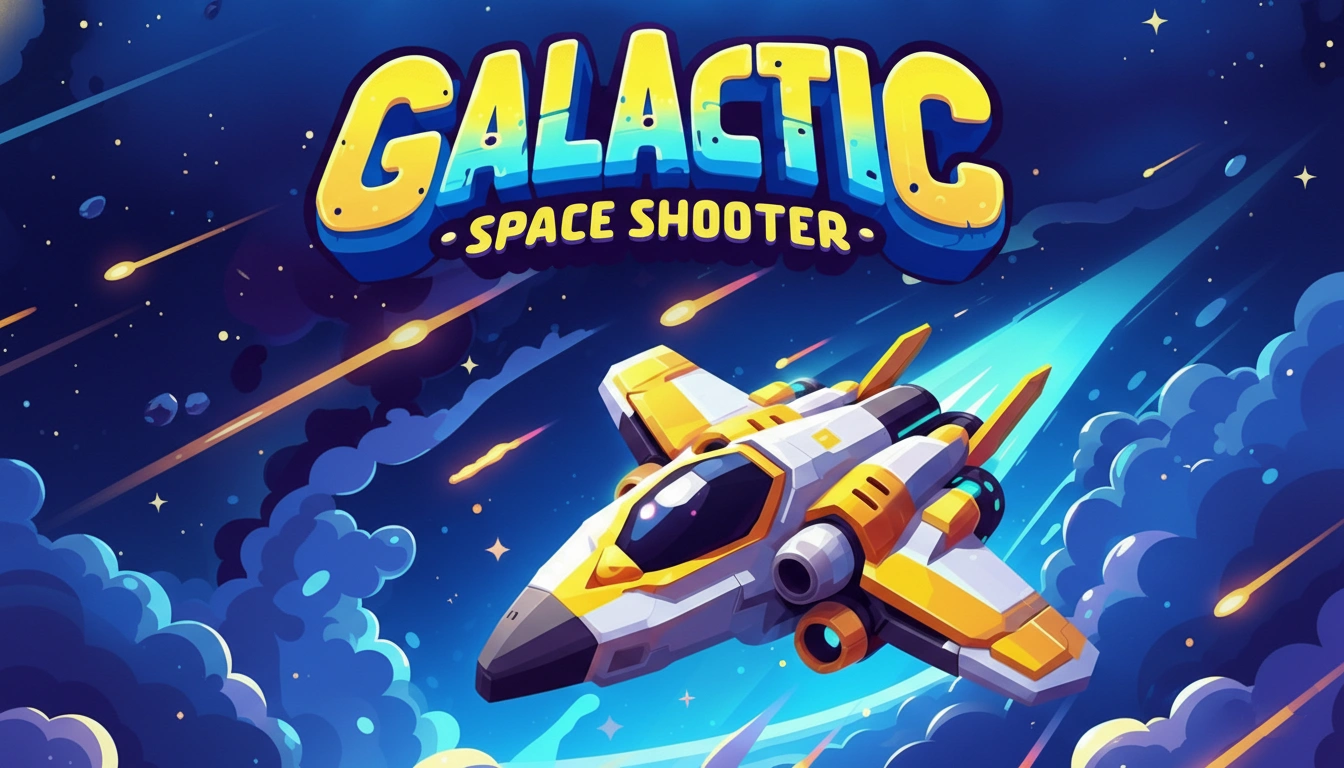
Playground’s dragon demo took a few minutes and still needed a designer. Galactic Space Shooter is the finished arcade version: a starfighter, asteroids, alien fleets, weapon upgrades, in the browser, no download. There is also a Google Play build if you want it on a phone.
Play Galactic Space ShooterFour games already past the prototype stage
Prompt-to-game tools are the story of the week. A game someone can finish on a lunch break is the story that still ranks a year from now. These four are live on TimeSpace Studio, free, and built for the browser.
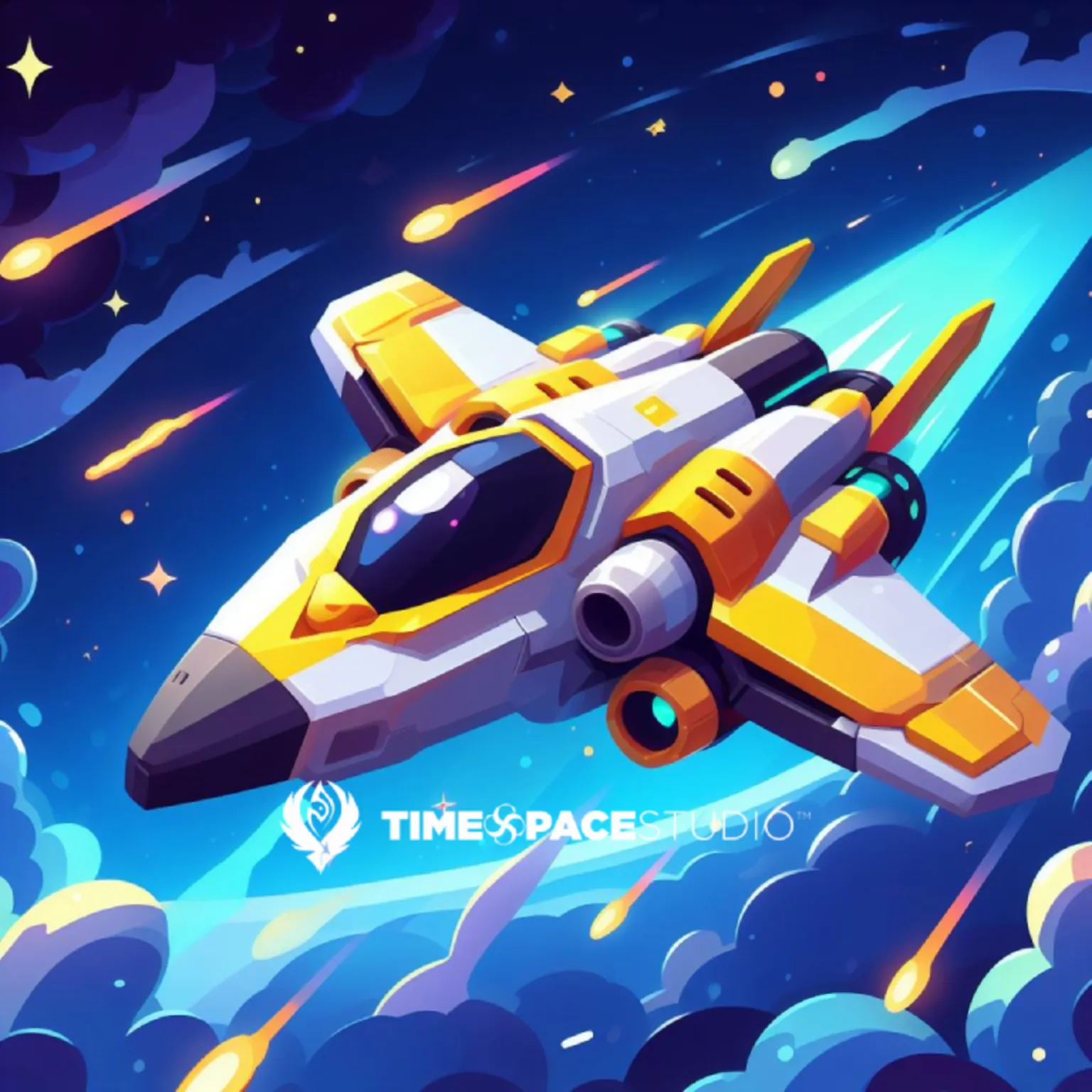
Galactic Space Shooter
Arcade shooter. No download.
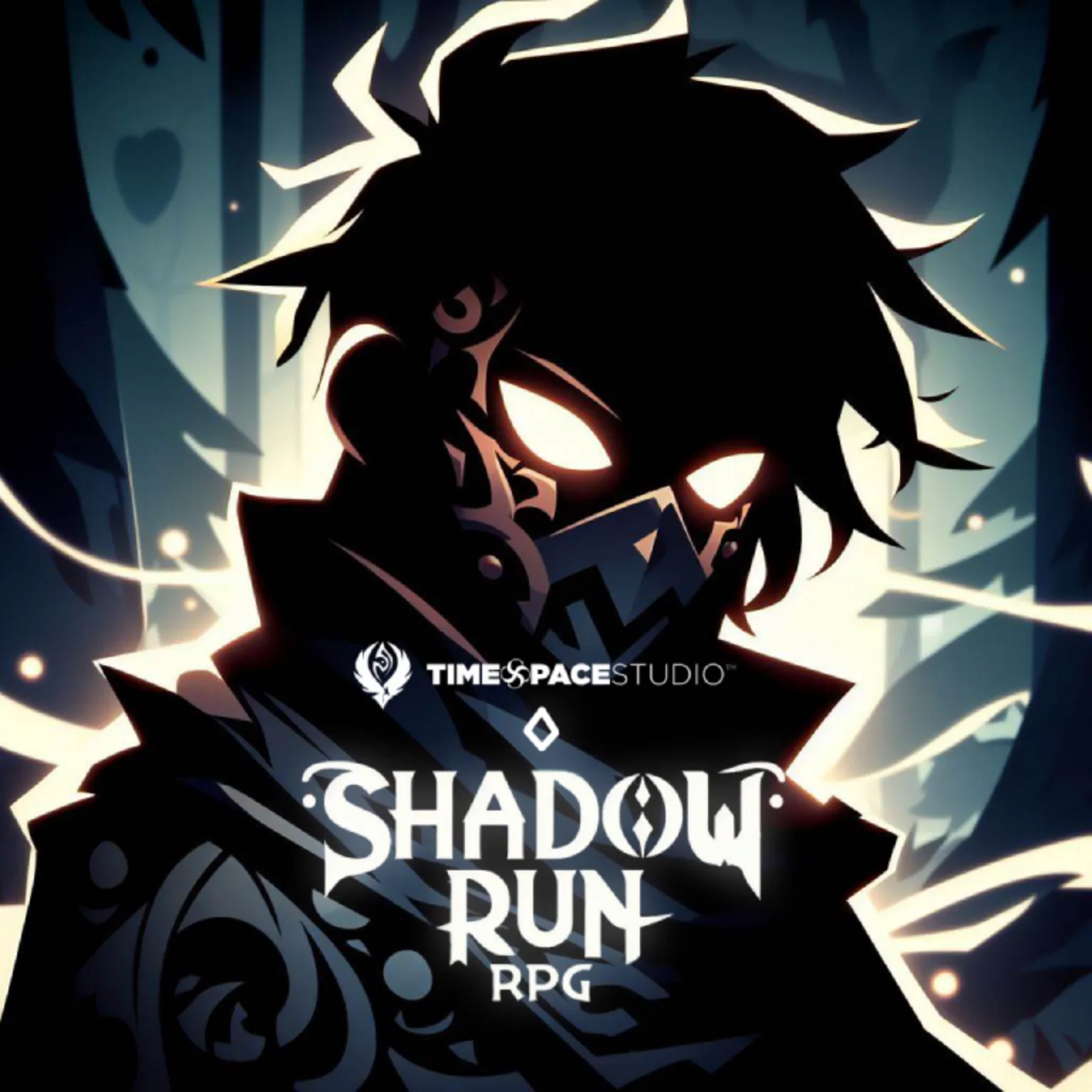
Shadow Run Action
Endless run-and-slash RPG.
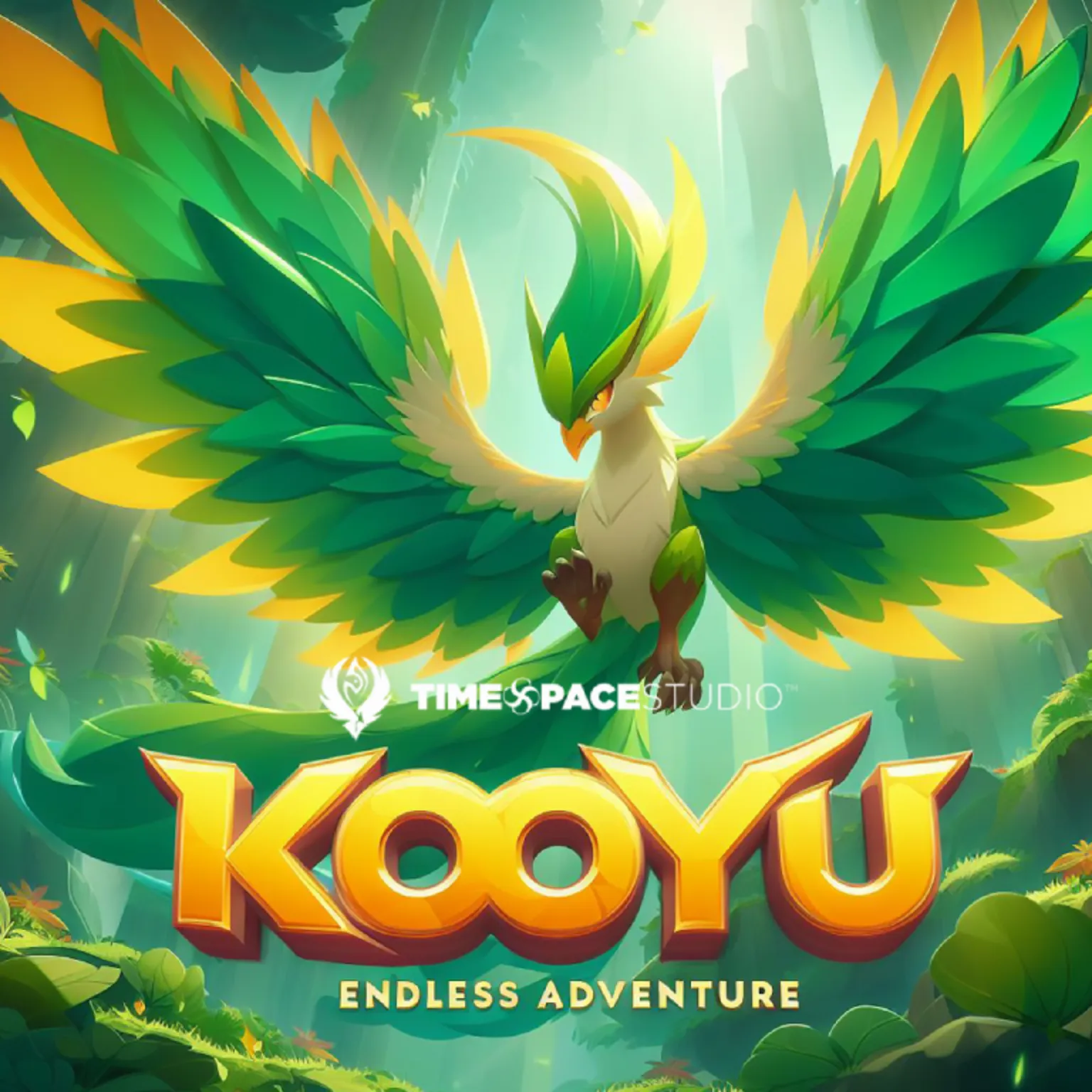
Kooyu Endless Adventure
Forest flyer. Tap to flap.
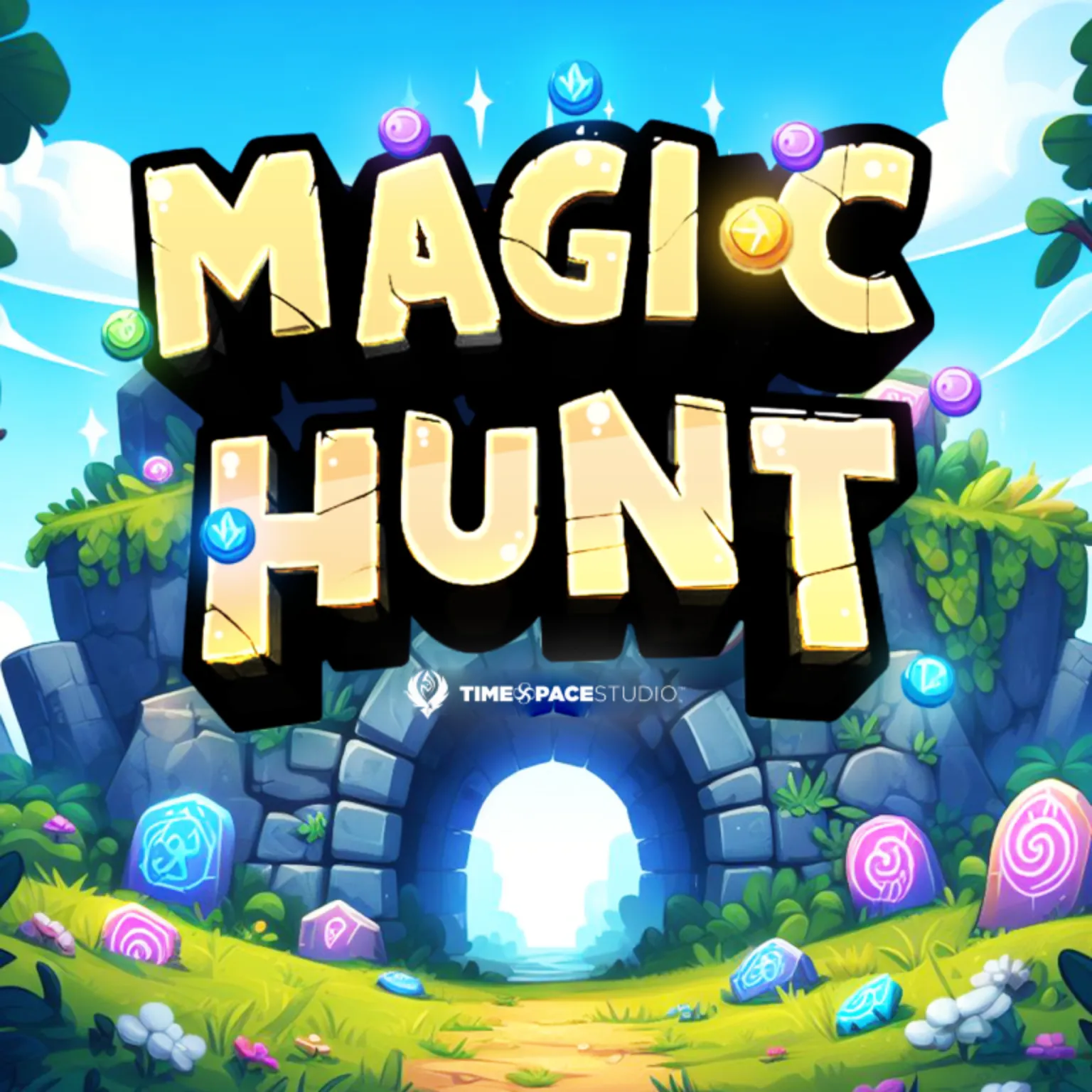
Magic Hunt Match 3
Match gems. Unlock powers.
The full catalog is on the games page. Each game also has a Google Play listing if you would rather install it than play in a tab.
What else is actually hot this week
It is easy to pad a “trending AI” post with every model name from the last quarter. The searches that moved in the first ten days of October are narrower.
- Prompt to playable game. Playground is the query. “AI game generator,” “playground.google,” and “Unity Spark” are the follow-ups. Product Hunt’s October 10 board put Playground by Google Labs in second place, behind a local-project tool and ahead of a Mac storage cleaner. That is a consumer launch, not a research paper.
- Agents with a real inbox. Grok Bot’s email rollout is the concrete version of a year of “agent” announcements. People share the address because they can picture using it. They do not share another parameter count.
- The model board did not freeze. Claude is still the default in a lot of companies. Torii’s October index had Claude first and ChatGPT second, with Grok the climber. A September discussion snapshot had Claude Opus 5.5 and the GPT-6 line as the loudest model names. Those are coding tools. They are not what a non-developer is typing into Google this weekend.
If your page tries to rank for all of those at once, it ranks for none of them. This one stays on the four launches a player or a solo creator would actually open.
How to try each one without wasting a day
1. Playground, if you are in the US and 18 or older
Sign in at playground.google. Play two games from Explore before you create anything, so you can see the ceiling. Then submit one focused prompt, not five mechanics. Change one thing in the next message: speed, then hitbox, then the fail state. If creation is locked, you are on the free waitlist. A Google One AI subscription is the skip-the-line path Google described.
2. Unity Spark, if you want 3D and can wait
Join the waitlist from Unity’s Spark post. Do not plan a commercial release on it yet. There is no export and no store listing at launch. Use the beta to learn how far a prompt plus Asset Store art can go, then decide whether the credit cost beats opening the real editor.
3. Grok 4.7, if the job is long
Use it in Cursor or Grok Build for a task that used to fall apart at step twelve: a design doc, a bug that crosses three files, a content pass. Set reasoning to high only when the cheap pass is wrong. A 500K window is not a reason to paste your whole repo if a smaller slice answers the question.
4. Grok Bot, if the job repeats
Connect one service first, not five. Calendar or email is enough to see whether the agent is useful. The new inbox is for signups and scheduling. It is not a place to send private keys or unpublished builds.
Prep the images before you publish anything
Every one of these tools ends at the same chore: a cover, a set of screenshots, and a page that loads. Playground stylizes uploads. Spark pulls Asset Store art. Your own game still needs a 16:9 cover, a square icon, and files small enough for a phone on a slow connection. We built the free tools for that exact pile of exports.
Bulk Image Compressor
Shrink covers and screenshots before they go on a page.
Bulk Image Converter
Turn a folder of PNG exports into WebP or JPG.
Bulk Resizer
One size for the store icon, another for the banner.
Images to PDF
A one-file pitch deck from your screenshot set.
PDF Merger
Combine a one-pager and a press note.
All online tools
Converters, compressors, and calculators in one list.
The posts people are actually sharing
These are the original posts, not screenshots of screenshots. Open them for the video and the reply threads.
@GoogleLabs · October 7, 2026 · 6.8 million views
Playground launch
“Playground is an experimental gaming platform that lets you create your own games with zero coding experience. If you can think it, you can play it.” Available to users 18+ in the US. The product URL on Google’s blog is playground.google.
@unitygames · October 7, 2026 · about 781,000 views
Introducing Unity Spark
“Prompt it. Perfect it. Publish it.” Asset Store art, a web editor, co-creation, closed beta coming soon. This is the post with the official Spark video.
@SpaceXAI · September 21, 2026 · 21.9 million views
Grok 4.7 is here
“It’s a notable improvement over Grok 4.6 at the same price and speed.” The follow-up in the same thread says it is live in Cursor, Grok Build, and the Grok API.
@elonmusk · October 9, 2026 · 3 million views
Grok Bot email
“Grok @Bot can now set up its own email.” This is the post behind the mail.grokbot.com rollout.
Searches this page answers
These are the longer queries people type after the headline. Each one is answered above, not just listed.
- how to make a game with Google Playground without coding
- is playground.google free or is there a waitlist
- Google Playground vs Unity Spark, which one is live
- Unity Spark closed beta waitlist and can you export the project
- prompt to game AI 2026, 2D and 3D
- Grok 4.7 vs Grok 4.6 CursorBench score
- Grok 4.7 price per million tokens
- how to claim a Grok Bot email on mail.grokbot.com
- free browser games to play while AI game makers are still in beta
Questions people are actually asking
Can I make a real game with Google Playground?
You can make a playable prototype. Public tests this week produced games you can control in a few minutes, with obvious gaps in feel, difficulty, and replay. Treat it as a sketch tool. A game you would charge for, or even one you would leave open in a tab for a week, still needs a person.
Is Unity Spark the same thing as Playground?
No. Playground is live. Spark is the Unity-powered 3D layer planned as a closed beta later in 2026, distributed through Playground. Spark adds Asset Store art, a web editor, and co-editing. It does not, at launch, let you export the project or sell it.
Is Grok 4.7 free?
The API list price published with the September 21 release is $2 per million input tokens and $6 per million output tokens, the same band as Grok 4.6. The Grok app and Cursor may meter it differently. Check the screen you are actually billed on.
What is Grok Bot’s email for?
As of the October 9 rollout, the @mail.grokbot.com address lets the agent sign up for services, contact a business, and schedule time. It is an agent inbox, not your personal mail.
Where can I play a finished free game without a waitlist?
On our games page. Galactic Space Shooter, Shadow Run Action, Kooyu Endless Adventure, and Magic Hunt Match 3 all run in the browser. No Google One plan, no Unity credit balance.
Sources
- Google, “Introducing Playground,” October 7, 2026
- Matt Bromberg, “Why we built Unity Spark,” October 7, 2026
- Google and Unity partnership announcement, October 7, 2026
- GamesIndustry.biz on Spark’s export and sales limits
- TechRadar’s hands-on, October 9, 2026
- Grok 4.7 spec table, September 21, 2026
Final thoughts
October 2026 is the first week a non-programmer can type a game and get something that moves. That is a real change. It is also a narrow one. Playground is a US experiment with a waitlist. Spark cannot be sold or exported yet. Grok 4.7 is a strong long-context model at a published price, not a game engine. Grok Bot is an employee you still have to supervise.
The pages that will still get traffic in six months are the ones that answer a specific question and then offer a next click. If the question is “what just launched,” the four names above are the answer. If the question is “can I play something now,” start with Galactic Space Shooter or the rest of the TimeSpace games. If the question is “how do I ship the screenshots,” the image and PDF tools are free and do not ask for a credit card.